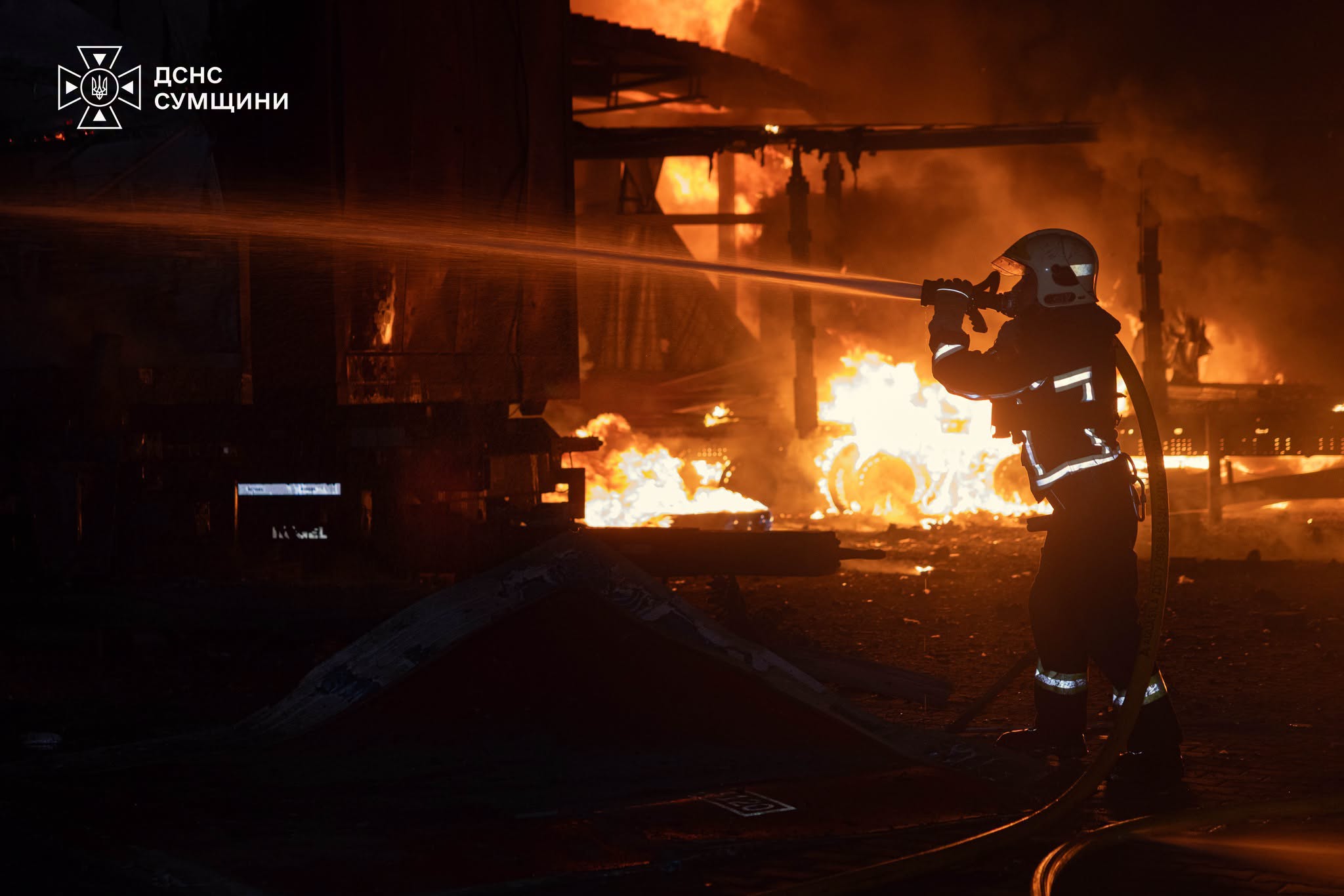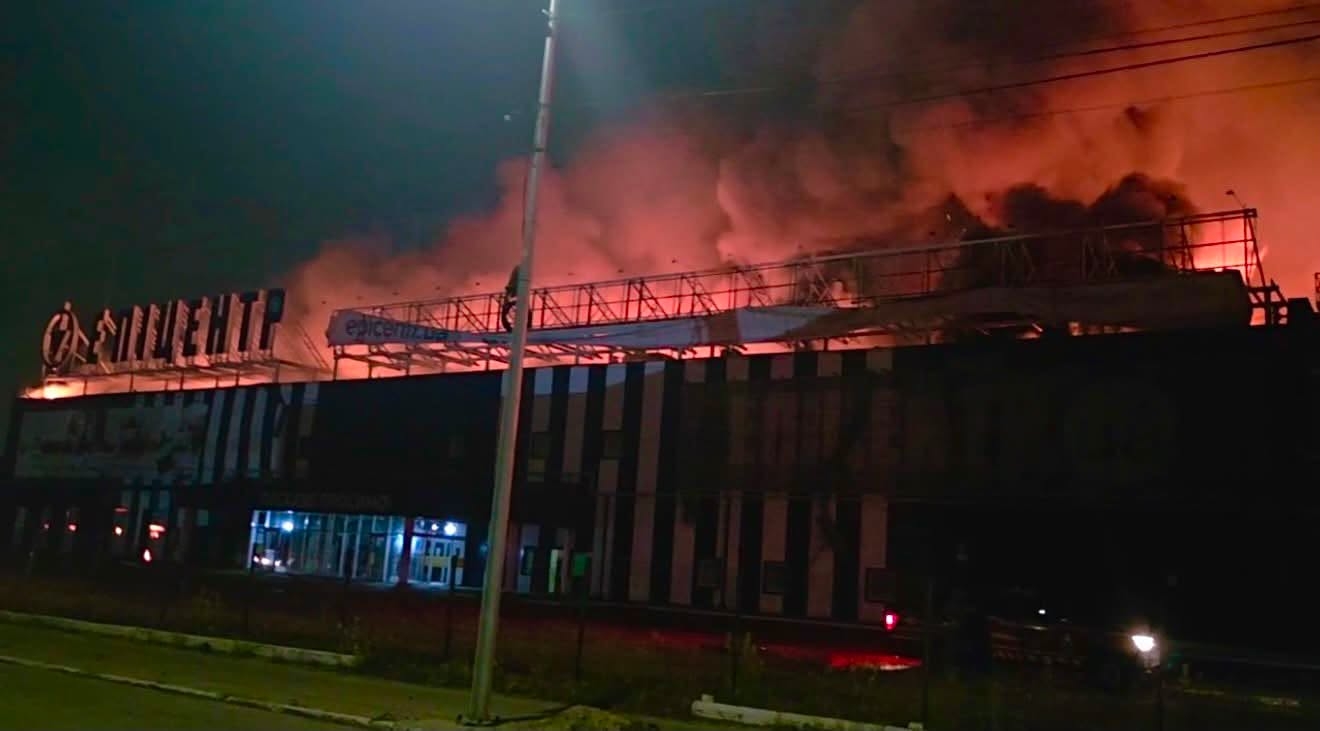

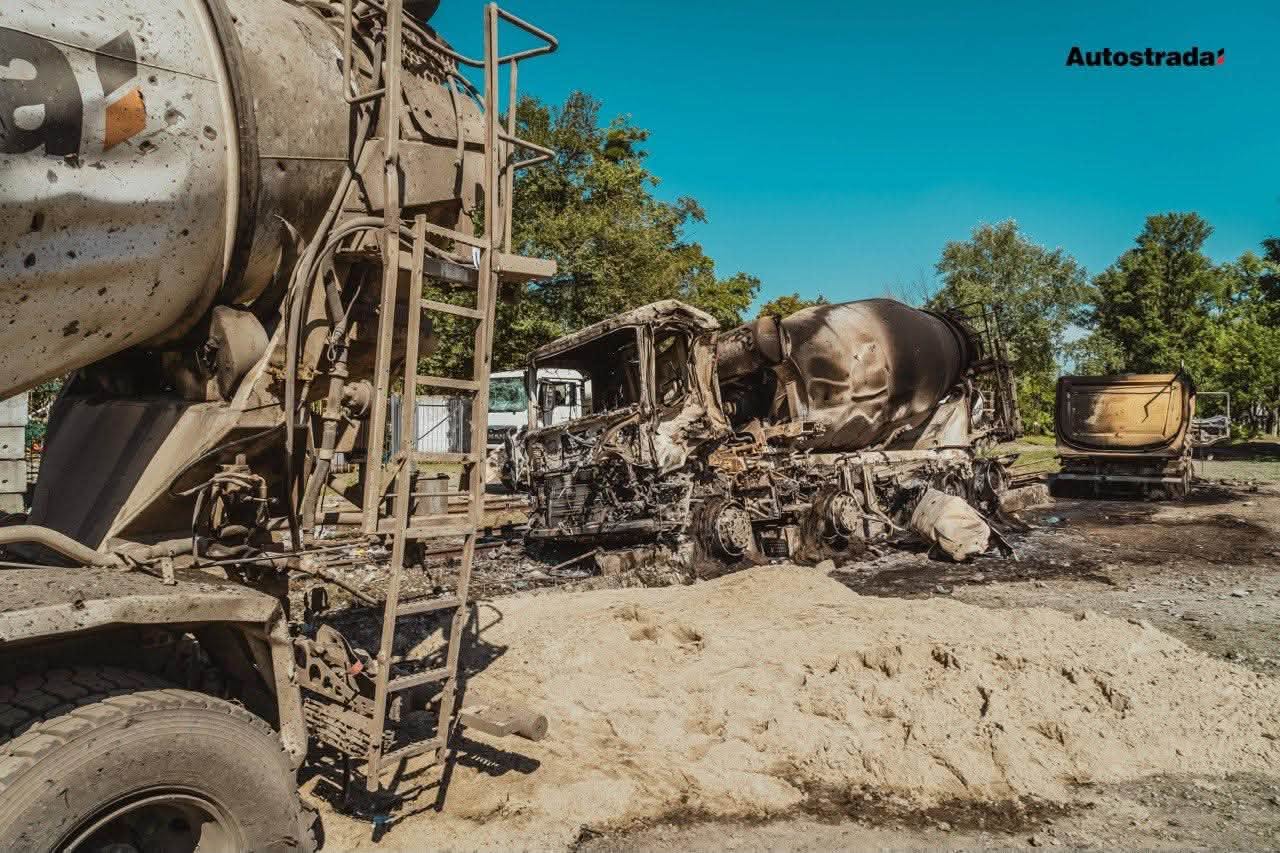
One of Ukraine’s largest road infrastructure companies, Avtostrada, became a target of a devastating Russian attack on August 1, resulting in the deaths of two individuals. The strike represents yet another blow to Ukraine’s civilian infrastructure as the ongoing conflict continues to take its toll on both human lives and the country’s ability to maintain essential services. The company, which plays a crucial role in building and maintaining Ukraine’s transportation network, confirmed the attack on its facilities, adding to the growing list of civilian and industrial targets hit during the prolonged military campaign.
The attack underscores Russia’s apparent strategy of targeting not just military installations but also critical civilian infrastructure that supports Ukraine’s economy and daily life. Avtostrada has been instrumental in numerous road construction and repair projects across the country, including work on major highways that connect Ukrainian cities and facilitate both civilian transportation and humanitarian aid delivery. The loss of experienced personnel and potential damage to equipment could have lasting implications for Ukraine’s infrastructure development efforts.
Avtostrada’s Critical Role in Ukrainian Infrastructure
Avtostrada has established itself as one of the most significant players in Ukraine’s road construction sector over the past decades. The company has been responsible for building and maintaining thousands of kilometers of highways, bridges, and other transportation infrastructure across the country. Before the full-scale invasion began in February 2022, Avtostrada was actively involved in modernizing Ukraine’s road network as part of broader European integration efforts, working on projects that would connect Ukrainian transportation routes with European standards and networks.
Since the beginning of the conflict, companies like Avtostrada have taken on an even more critical role. They have been essential in repairing damaged roads, ensuring that evacuation routes remain passable, and maintaining supply lines for both humanitarian aid and defense purposes. The targeting of such a company represents not just an attack on a business entity but on Ukraine’s capacity to sustain its civilian population and maintain connectivity between regions during wartime conditions.
Pattern of Infrastructure Attacks Continues
The strike on Avtostrada fits into a broader pattern of Russian attacks on Ukrainian civilian infrastructure that has intensified throughout the conflict. International observers and human rights organizations have documented systematic targeting of energy facilities, water treatment plants, transportation networks, and industrial sites across Ukraine. These attacks have been particularly concentrated during winter months, when damage to heating and electrical infrastructure poses the greatest threat to civilian welfare, but continue year-round against various targets.
Military analysts note that such infrastructure attacks serve multiple strategic purposes from the Russian perspective, including degrading Ukraine’s economic capacity, demoralizing the civilian population, and complicating logistics for both military and humanitarian operations. However, these tactics have also drawn widespread international condemnation and have been cited in ongoing investigations by international legal bodies examining potential war crimes and violations of international humanitarian law, which prohibits deliberate attacks on civilian objects.
Human Cost and Community Impact
Beyond the strategic implications, the August 1 attack represents a profound human tragedy for the families of the two victims and the broader Avtostrada workforce. Workers in infrastructure companies across Ukraine have continued their essential duties despite the constant threat of attacks, demonstrating remarkable resilience in maintaining the country’s basic services. The deaths of these workers add to the mounting civilian casualty toll that has characterized this conflict, with thousands of non-combatants killed since the escalation began.
The incident also highlights the ongoing psychological burden faced by Ukrainian workers in critical industries, who must balance the necessity of maintaining essential services with personal safety concerns. Many infrastructure workers operate in areas that have been repeatedly targeted, yet continue their work to ensure that roads remain passable and communities stay connected. Their contribution to Ukraine’s resilience, though often overlooked in military-focused coverage of the conflict, remains vital to the country’s ability to function under wartime conditions.
Expert Opinion: The systematic targeting of infrastructure companies like Avtostrada indicates a calculated Russian strategy to degrade Ukraine’s long-term recovery capacity while inflicting immediate economic damage. As the conflict continues, the cumulative effect of such attacks may require decades and billions of dollars in international reconstruction assistance to fully address, making infrastructure protection an increasingly critical priority for both Ukrainian defense planning and international support frameworks.