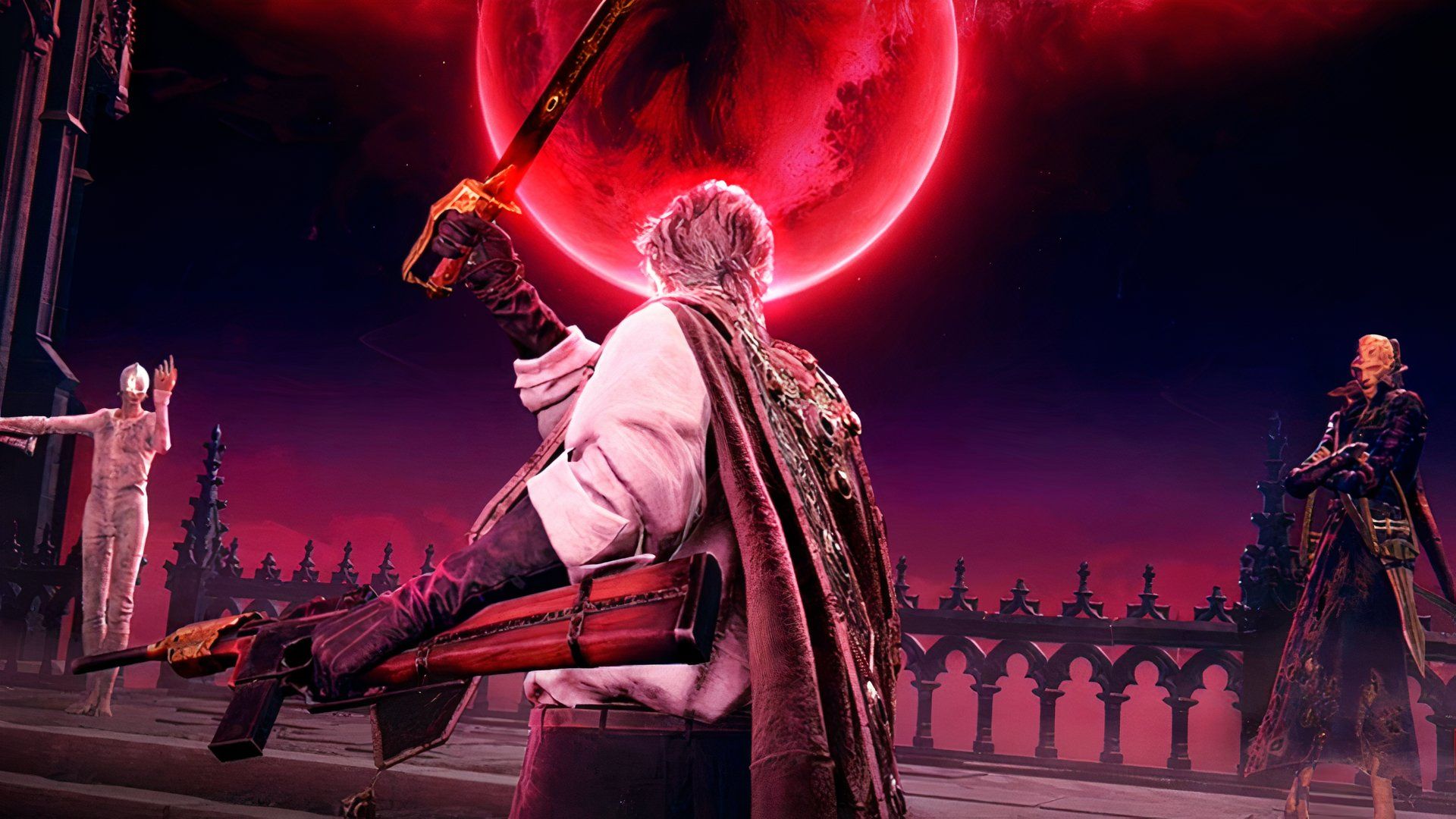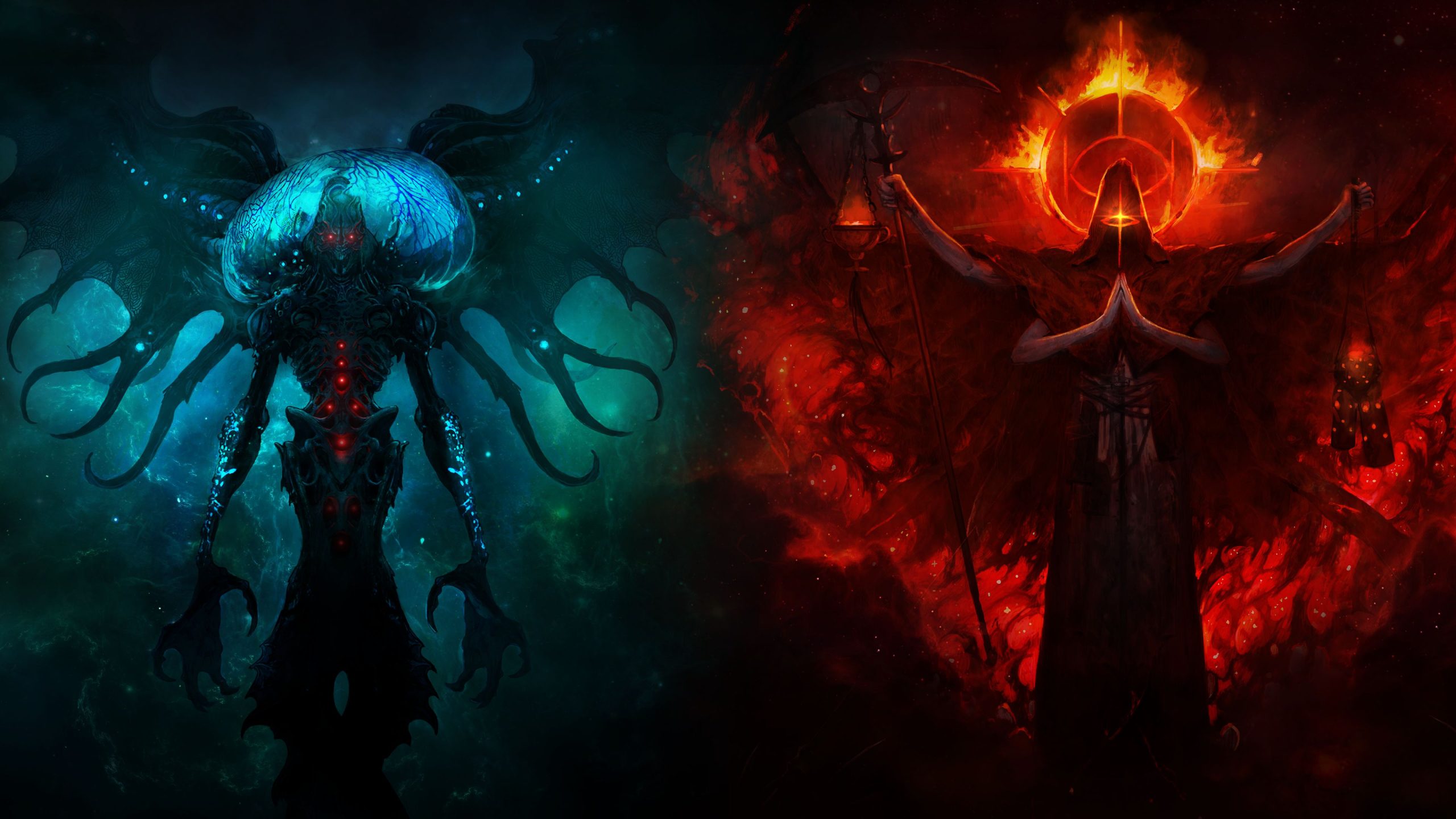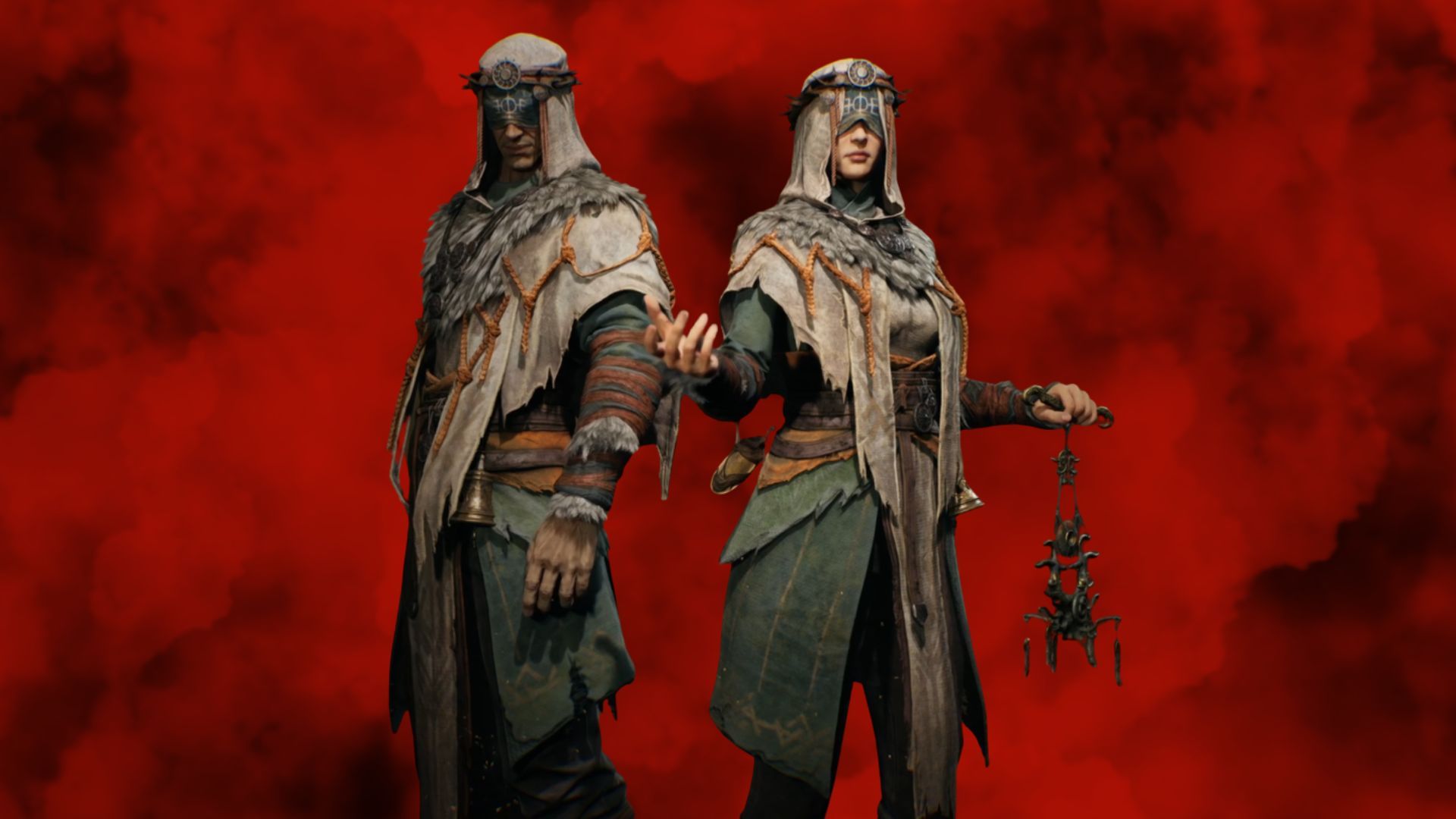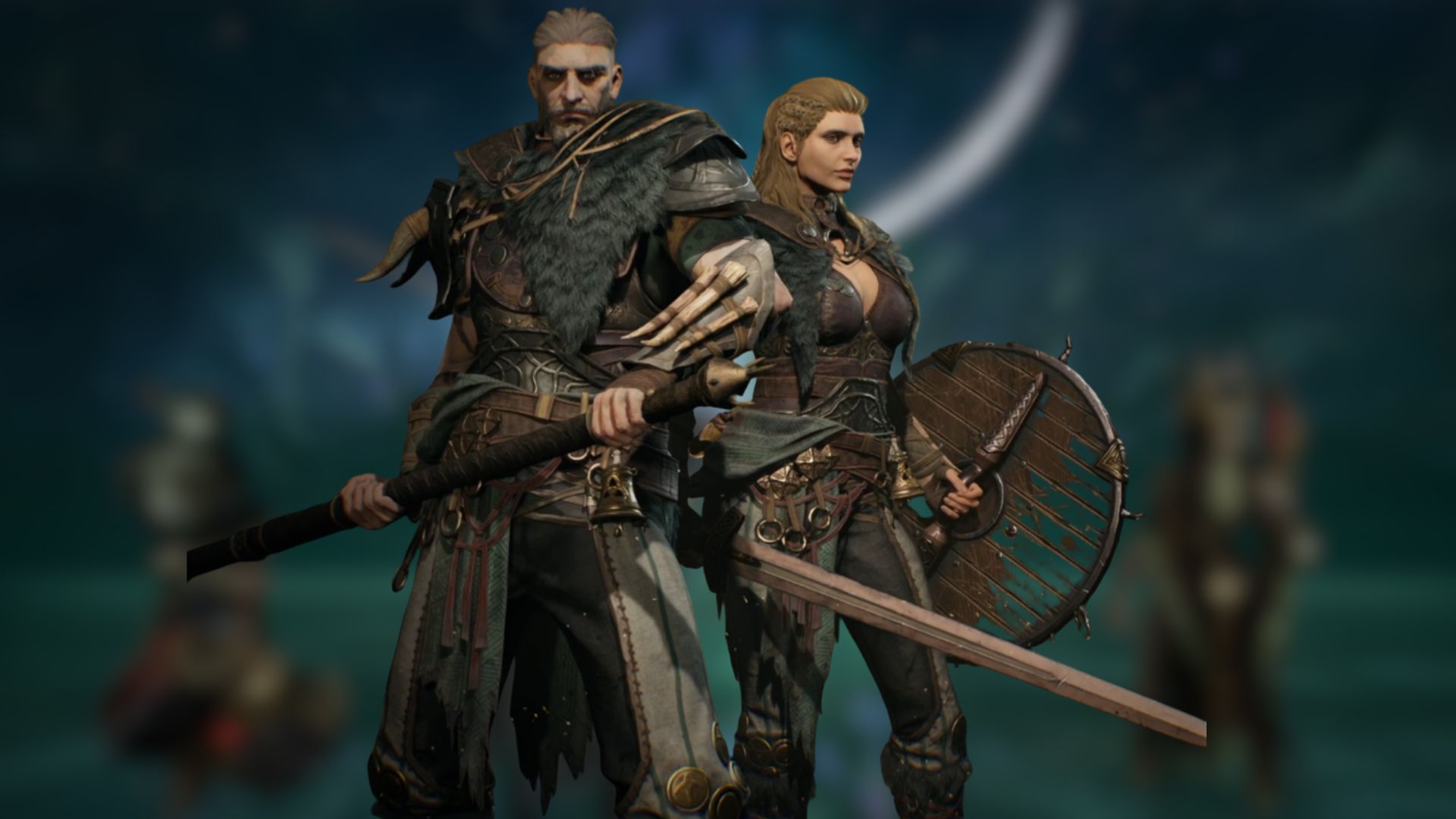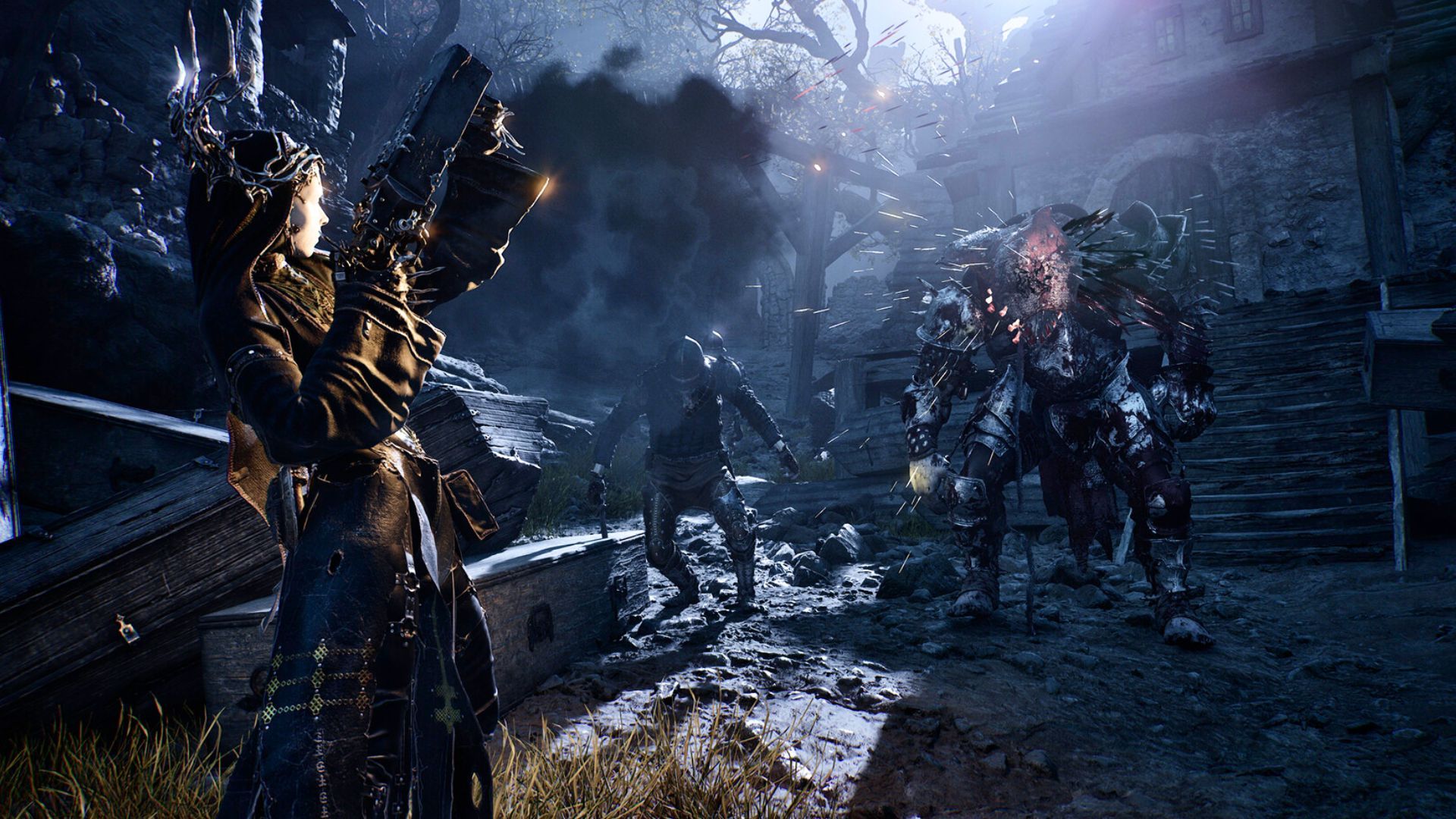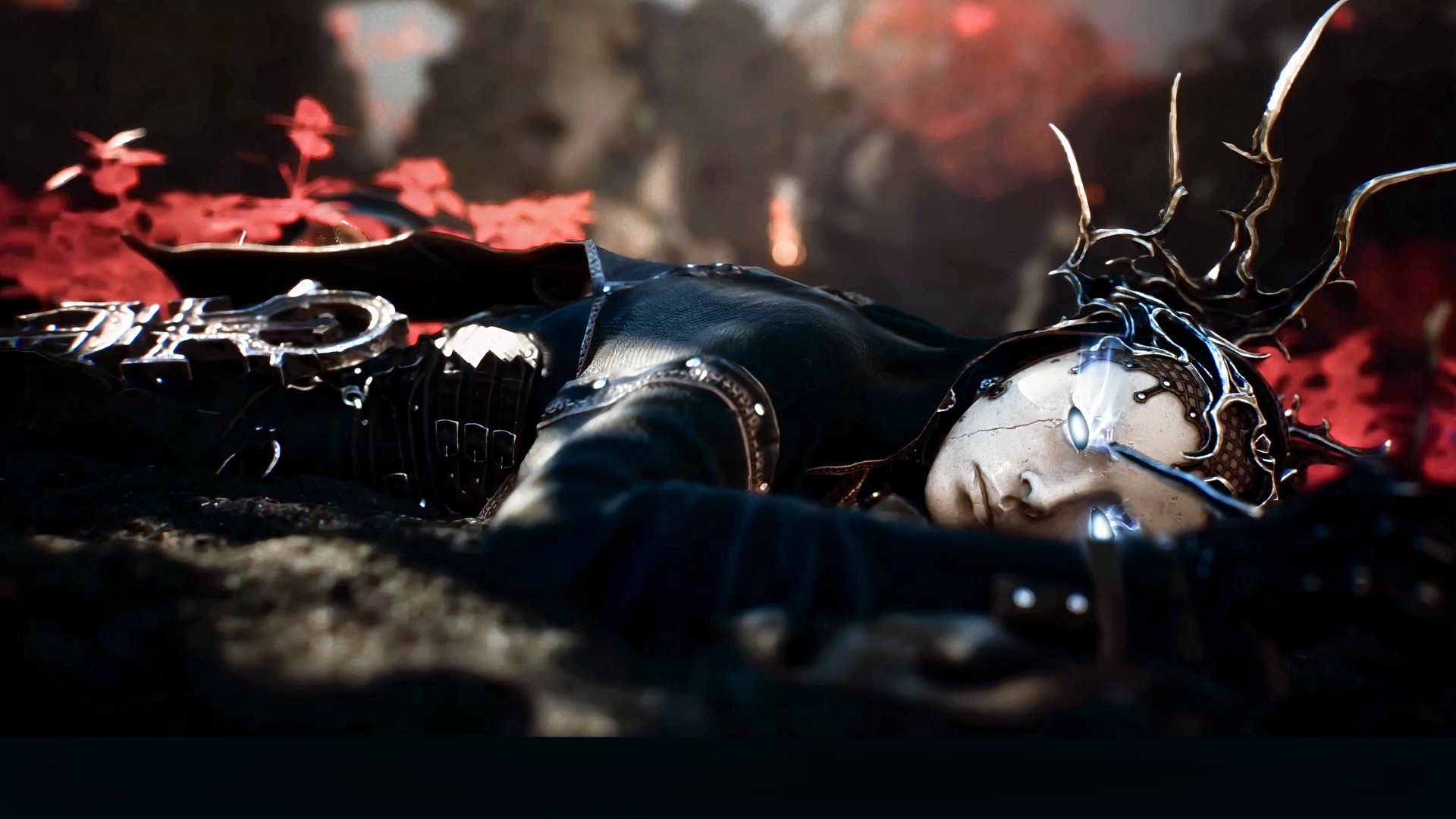


The Prima Macula is not just depicted as a classic illness in the Plague Tale games. It possesses a mystical quality that transcends conventional disease, venturing into supernatural territory that has captivated players since the franchise’s inception. For fans who have spent countless hours pondering the deeper mysteries behind this enigmatic affliction, Resonance: A Plague Tale Legacy promises to deliver long-awaited answers. Serving as a prequel to the beloved first two installments, this latest entry explores the very origins of the strange Prima Macula itself, taking players on a journey through time to uncover secrets that have remained hidden for centuries.
The Plague Tale series first burst onto the gaming scene in 2019 with A Plague Tale: Innocence, developed by Asobo Studio. The game garnered critical acclaim for its unique blend of stealth gameplay, emotional storytelling, and its hauntingly beautiful depiction of 14th-century France during the Black Death. Players followed the journey of Amicia de Rune and her younger brother Hugo as they navigated a world ravaged by plague and the Inquisition. The sequel, A Plague Tale: Requiem, released in 2022 and expanded upon the foundation laid by its predecessor, delving deeper into the supernatural elements surrounding Hugo’s mysterious connection to the rats that serve as both weapon and threat throughout the series.
Exploring the Origins of the Prima Macula
Resonance: A Plague Tale Legacy takes a significant narrative risk by shifting focus away from the de Rune siblings entirely. Instead, the prequel transports players to an earlier era, exploring the first documented emergence of the Prima Macula and the individuals who first encountered its terrifying power. This approach allows the developers to build upon the rich lore established in previous games while offering fresh perspectives and characters. The Prima Macula, often referred to as the Macula throughout the series, represents a blood-borne curse that grants its host supernatural control over hordes of plague-carrying rats, but at a devastating personal cost. Understanding where this power originated and how it came to be passed down through generations forms the central mystery of this prequel experience.
The historical setting of the Plague Tale series has always been one of its greatest strengths. The Black Death, which devastated Europe between 1347 and 1351, killed an estimated 75 to 200 million people, making it one of the deadliest pandemics in human history. Asobo Studio has consistently demonstrated remarkable attention to historical detail, recreating the architecture, clothing, and social dynamics of medieval Europe with impressive accuracy. Resonance continues this tradition, though it ventures into even earlier time periods that have been less explored in gaming. This historical authenticity provides a grounding element that makes the supernatural aspects of the narrative feel more impactful and believable.
Gameplay Evolution and New Mechanics
The gameplay mechanics in Resonance: A Plague Tale Legacy represent both a continuation of established systems and an attempt to innovate. The series has always centered on stealth-based gameplay, with players using environmental puzzles, light sources, and various tools to navigate through rat-infested environments. Fire remains the primary defense against the ever-present rodent swarms, as the creatures instinctively fear light and heat. However, the prequel introduces new mechanics that reflect the earlier, more primitive understanding of the Prima Macula. Players must discover abilities and solutions that characters in later games take for granted, creating an interesting dynamic where knowledge becomes power. The crafting system has been adjusted to reflect the available resources and technology of the era, requiring players to adapt their strategies accordingly.
One of the most compelling aspects of the Plague Tale franchise has been its ability to create genuine tension through environmental storytelling. The sight of thousands of rats pouring through streets, consuming everything in their path, remains one of gaming’s most visceral and memorable images. Resonance maintains this atmospheric excellence while adding new visual elements that hint at the cosmic horror underlying the Prima Macula’s existence. The sound design deserves particular mention, as the skittering of countless tiny claws and the eerie silence that precedes a swarm attack create an audio landscape that keeps players perpetually on edge.
Story and Character Development
Character development has always been central to the Plague Tale experience, and Resonance faces the challenging task of creating compelling protagonists who can stand alongside Amicia and Hugo in players’ hearts. The emotional bond between the de Rune siblings drove much of the narrative power in previous games, and replicating that connection with new characters requires skillful writing and performance. Early impressions suggest that the developers have crafted a cast that, while different in tone and dynamic, offers equally compelling reasons to care about their fates. The prequel format also allows for more tragic storytelling possibilities, as players know that whatever happens, the Prima Macula will eventually find its way to the de Rune bloodline.
Whether Resonance: A Plague Tale Legacy successfully answers the lingering questions fans have harbored since the original game while maintaining the series’ unique appeal ultimately depends on individual expectations. For players seeking closure on the mystical elements that have defined the franchise, the prequel offers substantial revelations. For those who fell in love with Amicia and Hugo specifically, the absence of these beloved characters may feel like a significant loss. However, the expansion of the universe and the deeper exploration of the Prima Macula’s nature provide valuable context that enhances appreciation for the entire series.
Expert Opinion: Prequel narratives in gaming often struggle to balance fan service with fresh storytelling, but Resonance appears to navigate this challenge by focusing on worldbuilding rather than simply retreading familiar ground. The decision to explore the Prima Macula’s origins represents a confident creative choice that suggests Asobo Studio is committed to expanding the franchise’s scope rather than relying solely on established characters. Moving forward, this approach could open doors for future entries set across different time periods, potentially establishing Plague Tale as an anthology series exploring humanity’s relationship with this supernatural plague throughout history.