
The Soulslike genre has exploded in popularity over the past decade, with countless developers attempting to capture the challenging, atmospheric magic that FromSoftware pioneered with Dark Souls. Among the many contenders, Cold Symmetry’s original Mortal Shell stood out as a remarkable achievement, particularly impressive given the studio’s small team and indie budget. Now, the highly anticipated sequel has arrived, and fans who have been eagerly waiting since the open beta are hungry to know whether Mortal Shell 2 lives up to the enormous expectations. In this comprehensive review, we’ll examine every aspect of this ambitious follow-up, from its haunting narrative to its refined combat mechanics, to determine whether Cold Symmetry has crafted something truly special.
Story and Setting: A World Dripping with Dark Lore
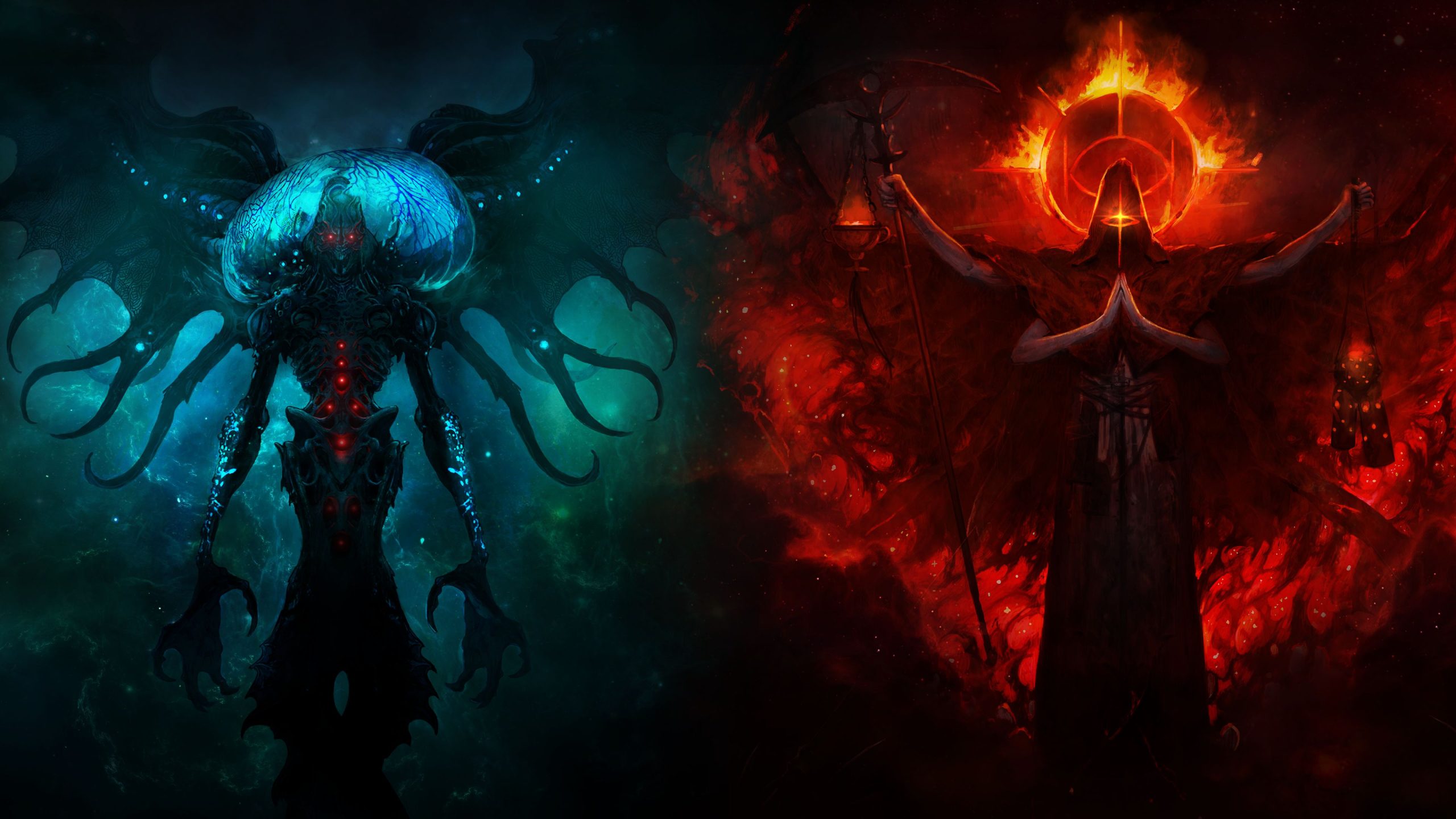
Mortal Shell 2 builds upon the mysterious, cryptic storytelling approach that defined its predecessor while significantly expanding the scope and depth of its world. The original game introduced players to the concept of “shells” – the preserved bodies of fallen warriors that the player inhabits – and this sequel takes that foundation in fascinating new directions. The narrative remains deliberately obscure, rewarding patient players who piece together the lore through item descriptions, environmental storytelling, and cryptic NPC dialogue. Cold Symmetry has clearly studied the FromSoftware playbook, understanding that sometimes what remains unsaid is more powerful than explicit exposition. The setting expands beyond the claustrophobic swamps and ruins of the first game, offering diverse biomes that range from crumbling gothic cathedrals to otherworldly dimensions that push the boundaries of the established mythology.
The atmosphere remains the game’s strongest narrative element, with every location feeling lived-in and haunted by tragedy. Environmental storytelling reaches new heights here, with subtle details scattered throughout each area that hint at the catastrophic events that shaped this dying world. Players familiar with the first game will notice connections and callbacks, but newcomers can still appreciate the standalone story being told. The voice acting has also received a notable upgrade, with performances that convey the weary desperation of beings trapped in an endless cycle of death and rebirth.
Gameplay and Combat: Refined to Perfection
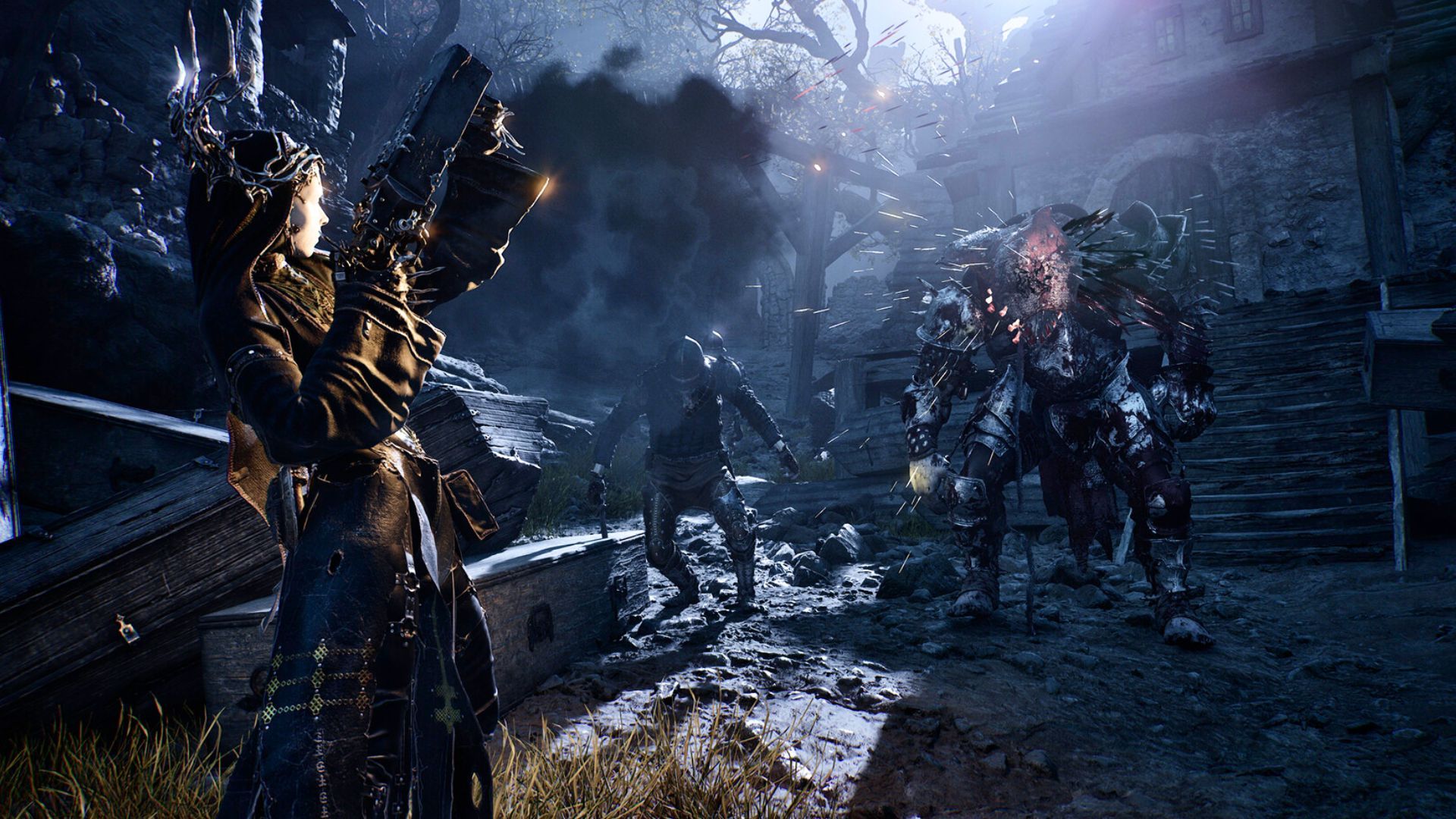
Where Mortal Shell 2 truly shines is in its combat system, which takes the unique mechanics of the original and polishes them to a mirror shine. The signature “hardening” mechanic returns, allowing players to turn their shell to stone mid-animation to absorb incoming attacks. This system was revolutionary in the first game, and here it’s been expanded with new timing windows and strategic applications that add tremendous depth to encounters. Combat feels weighty and deliberate, with every swing carrying genuine consequence. The stamina management requires careful consideration, and button-mashing will lead to swift death. Cold Symmetry has also addressed one of the original’s criticisms by offering more diverse weapon options, each with distinct movesets that encourage experimentation and multiple playthroughs.
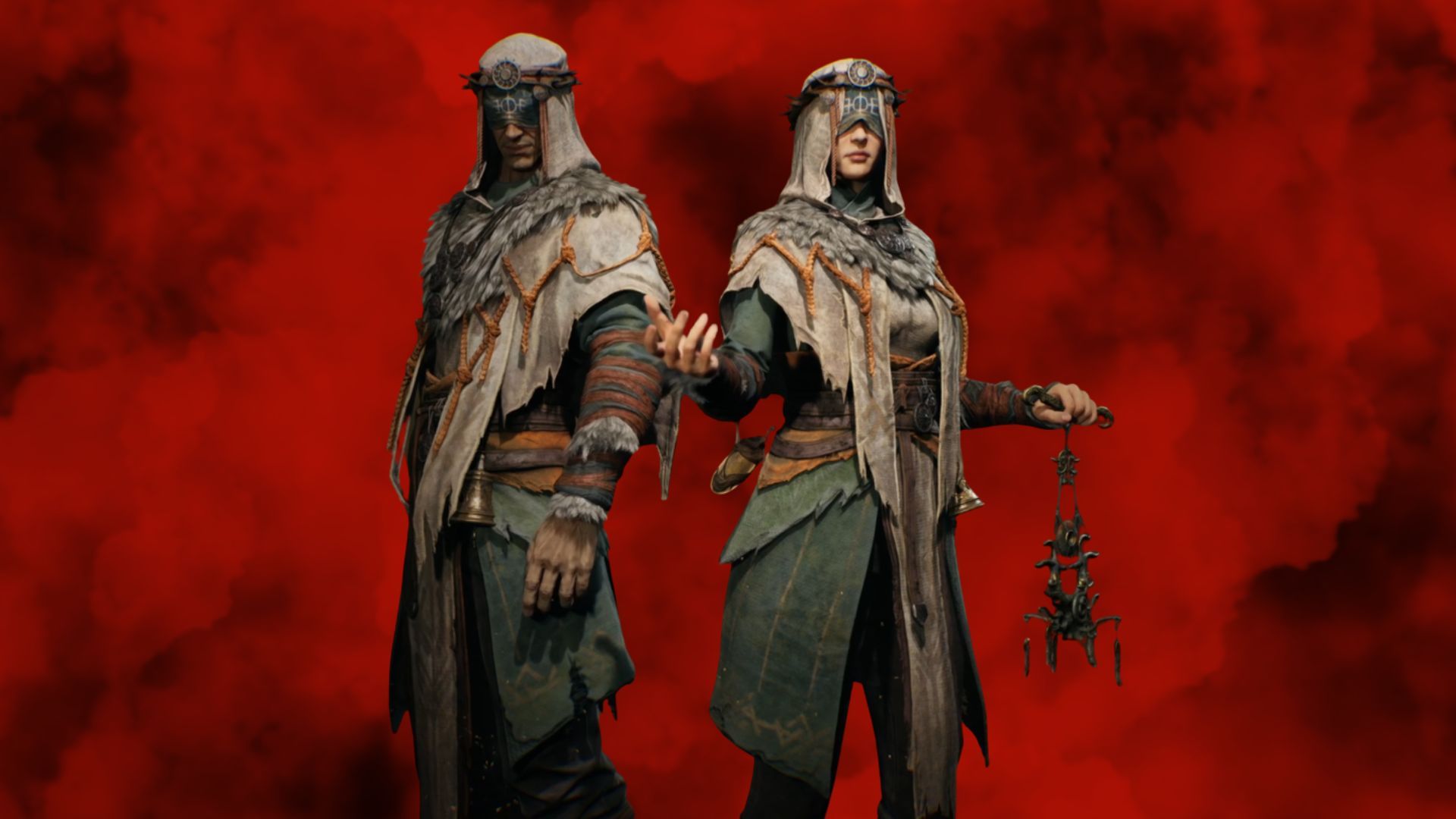
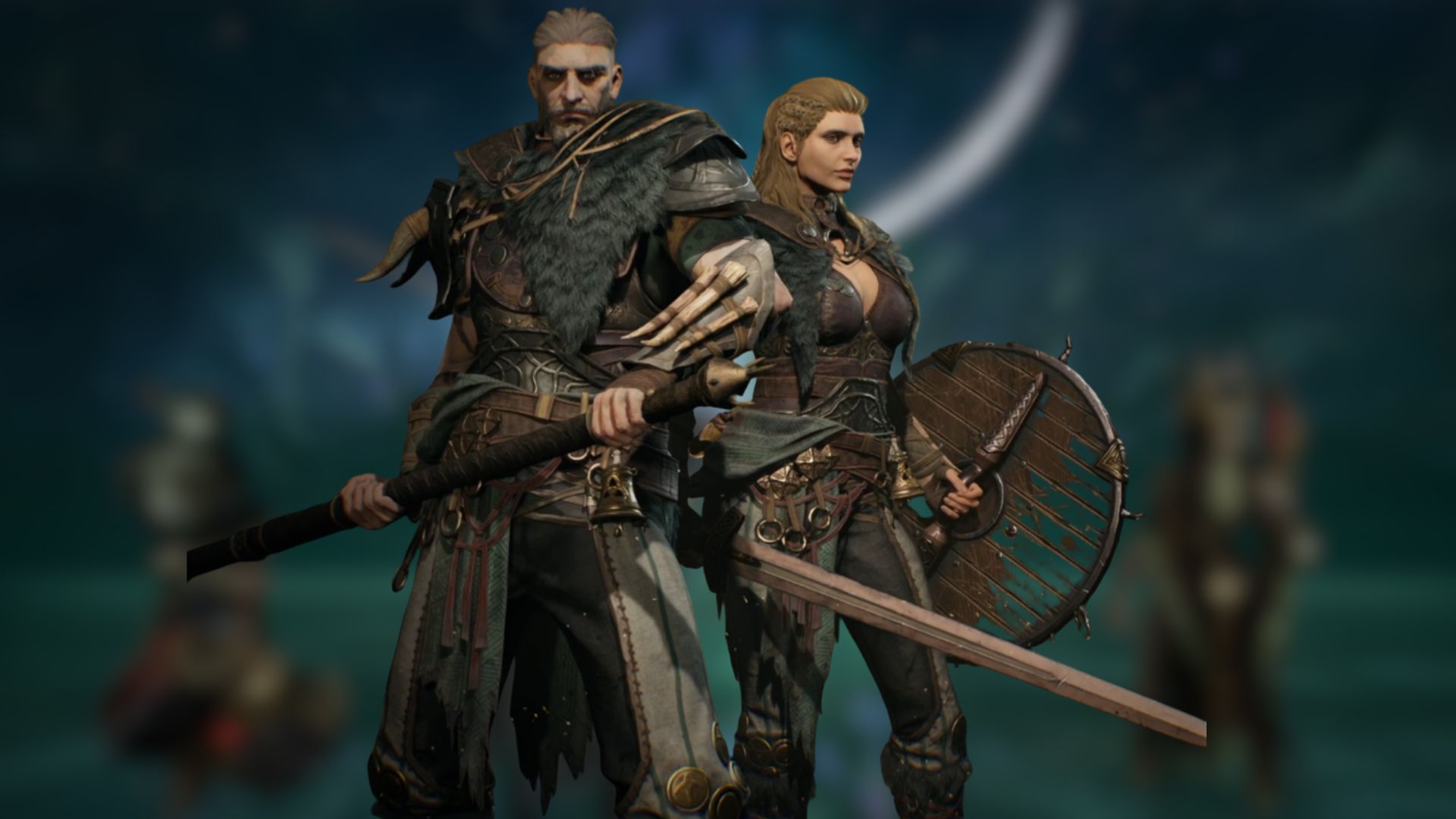
The shell system itself has been dramatically expanded, with new bodies to inhabit that offer vastly different playstyles. Each shell has unique abilities and stat distributions, effectively functioning as different character classes. Finding a new shell feels genuinely exciting, as it opens up entirely new approaches to combat encounters. Boss fights represent the pinnacle of the combat design, featuring multi-phase encounters that test everything players have learned. These battles are punishing but fair, with clear telegraphs and patterns to learn. The difficulty curve feels more refined than the original, gradually introducing new enemy types and mechanics without overwhelming players.
Performance and Technical Polish
From a technical standpoint, Mortal Shell 2 represents a significant step forward for Cold Symmetry. The original game was impressive for its budget but suffered from occasional performance hiccups and limited visual variety. The sequel runs smoothly on current-generation hardware, with stable frame rates and dramatically reduced loading times. The visual fidelity has improved considerably, with detailed character models, impressive lighting effects, and particle systems that make combat feel visceral and impactful. The sound design deserves particular praise, with a haunting orchestral score that perfectly complements the oppressive atmosphere, and sound effects that give weight to every action.
Cold Symmetry has also implemented quality-of-life improvements based on community feedback from the first game. The map system is more intuitive, fast travel options reduce tedious backtracking, and the UI provides clearer information without sacrificing the minimalist aesthetic. These changes demonstrate a developer that listens to its community while maintaining its artistic vision – a delicate balance that many studios struggle to achieve.
Expert Opinion: Mortal Shell 2 represents a watershed moment for the Soulslike genre, proving that smaller studios can compete with and even surpass industry giants when armed with clear creative vision and genuine passion. Cold Symmetry’s willingness to iterate on their formula while introducing bold new mechanics suggests a studio with tremendous growth potential. If this trajectory continues, we may be witnessing the emergence of a developer that could fundamentally reshape expectations for the genre in the years to come.