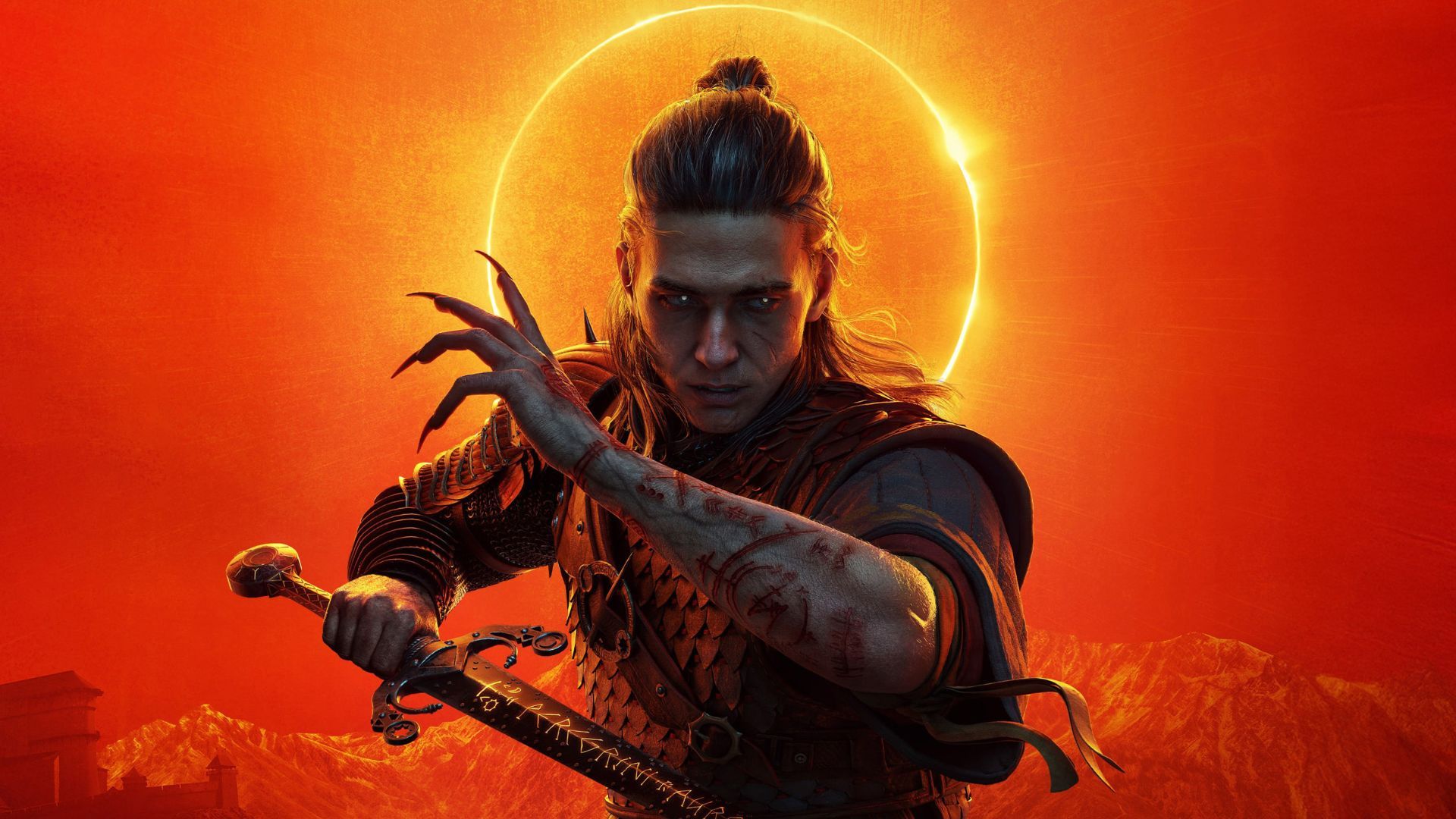

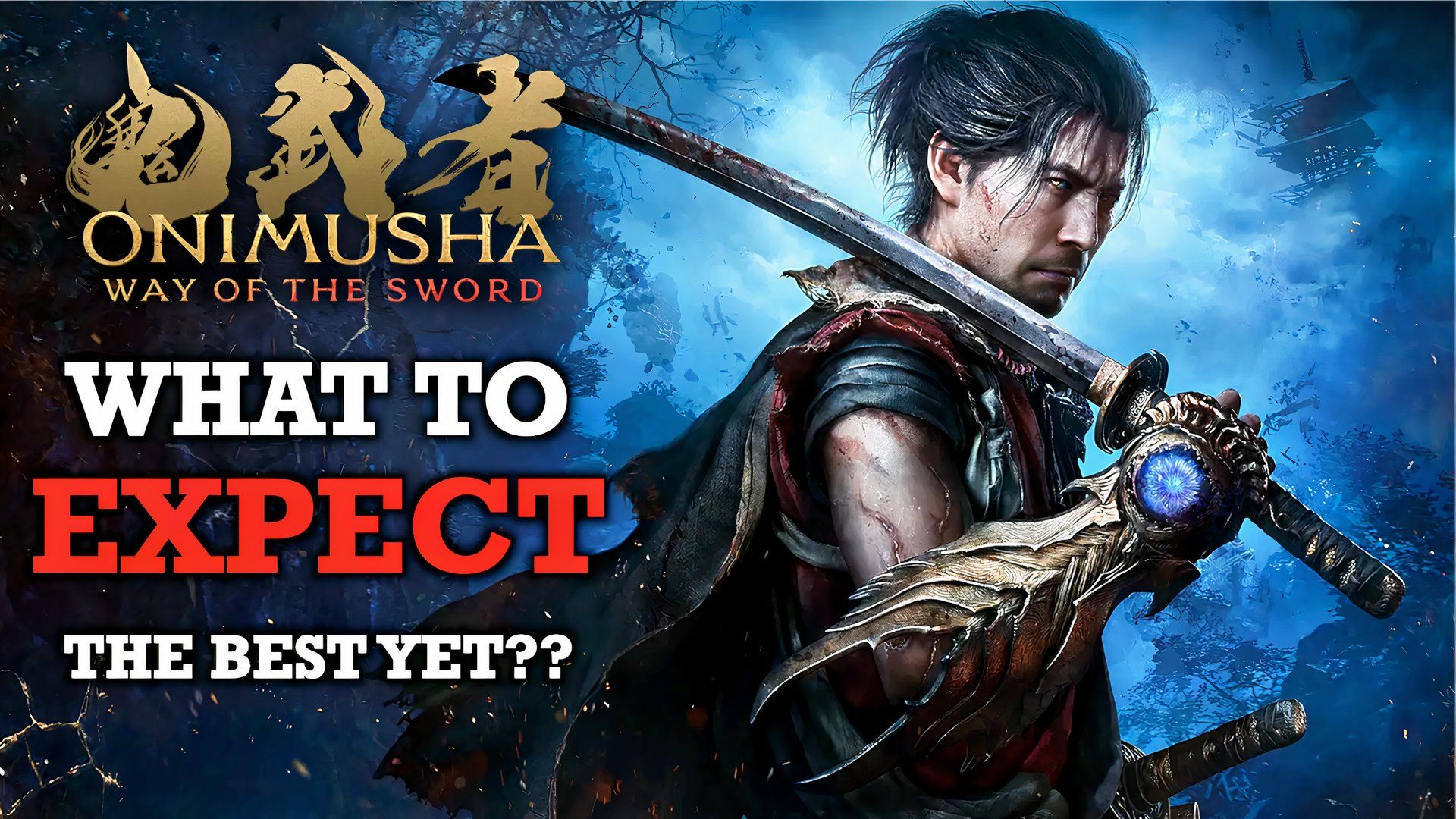
After nearly two decades of silence, the beloved Onimusha franchise is making its triumphant return with “Onimusha: Way of the Sword.” Capcom’s announcement has sent waves of excitement through the gaming community, promising a fresh take on the supernatural samurai action series that captivated millions of players in the early 2000s. This time, the legendary swordsman Miyamoto Musashi takes center stage, set against the historically rich backdrop of Kyoto during one of Japan’s most turbulent periods. The game weaves together authentic Japanese history, mythology, and folklore to create what promises to be an unforgettable experience that honors both the franchise’s legacy and the cultural traditions that inspired it.
The decision to feature Miyamoto Musashi as the protagonist carries tremendous weight for both historical enthusiasts and longtime fans of the series. Musashi is arguably the most famous samurai in Japanese history, a legendary figure who lived from 1584 to 1645 and remains celebrated for his undefeated record in over 60 duels. He was not merely a warrior but also a philosopher, artist, and author of “The Book of Five Rings,” a treatise on strategy, tactics, and philosophy that continues to influence martial artists, business leaders, and strategists worldwide. His dual-wielding sword technique, known as Niten Ichi-ryū, revolutionized Japanese swordsmanship and will undoubtedly play a central role in the game’s combat mechanics.
The Historical Setting of Kyoto
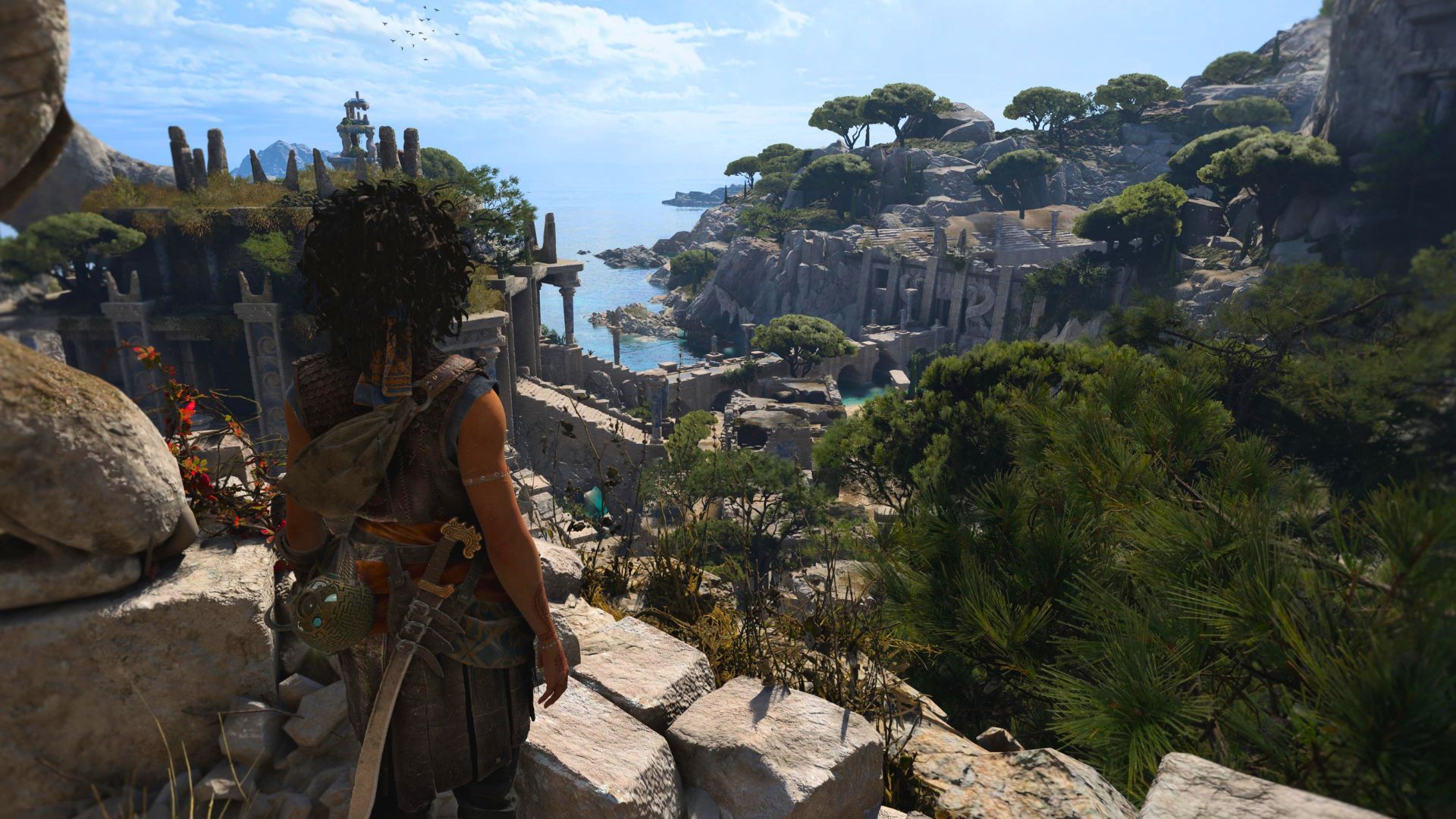
Kyoto serves as the perfect stage for this supernatural tale, offering a landscape steeped in both beauty and bloodshed. As Japan’s imperial capital for over a thousand years, from 794 until 1868, Kyoto witnessed countless political intrigues, battles, and cultural developments that shaped the nation’s identity. During Musashi’s lifetime, the city was recovering from the devastation of the Ōnin War and navigating the tumultuous transition from the Sengoku period into the more stable Edo era under the Tokugawa shogunate. The streets that players will explore were once walked by emperors, shoguns, warriors, and common folk alike, each leaving their mark on the city’s rich tapestry of history. Capcom has indicated that they have meticulously researched historical Kyoto to recreate its temples, shrines, and districts with stunning accuracy, while adding their signature supernatural twist.
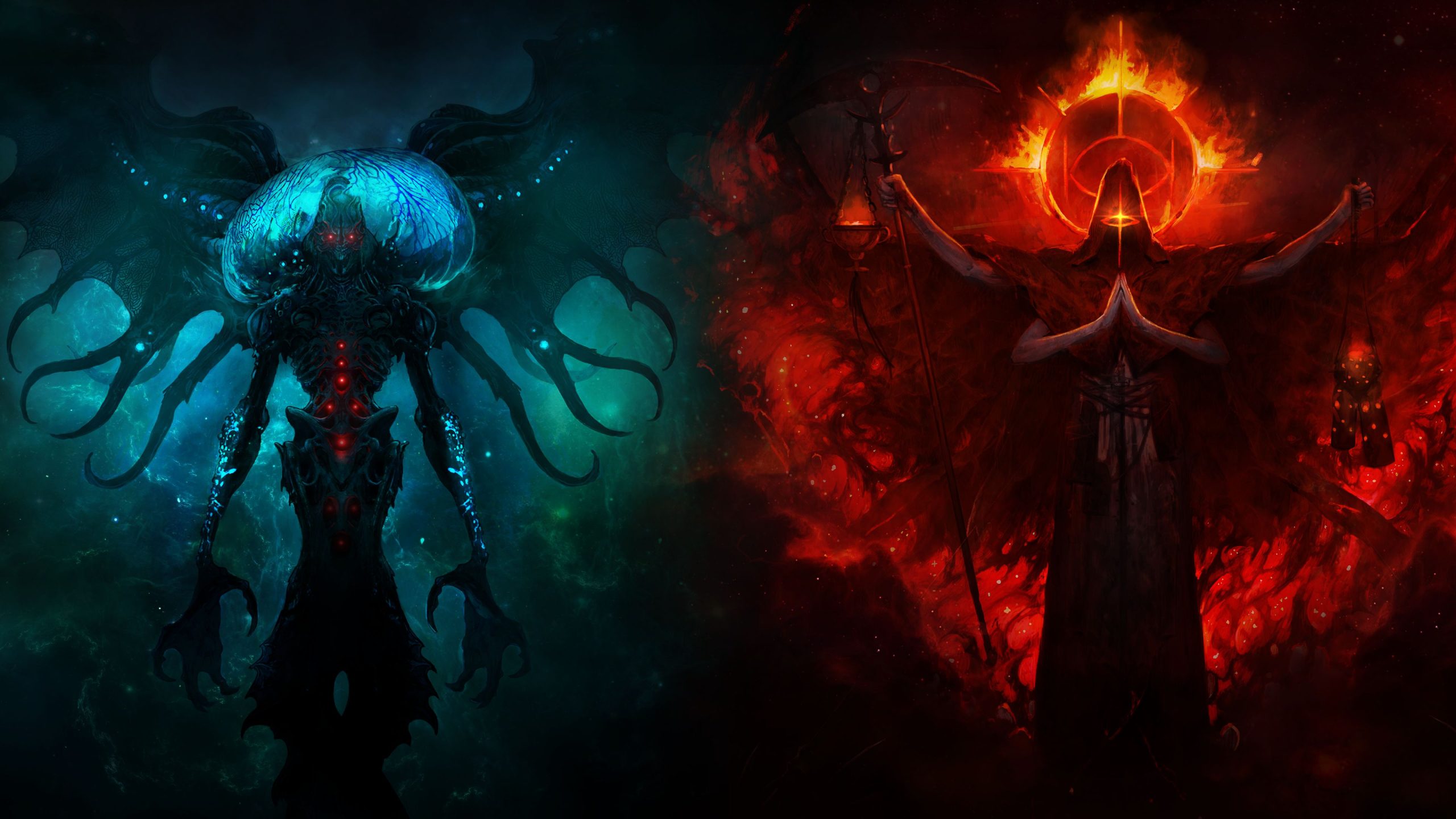
The Onimusha series has always excelled at blending historical authenticity with fantastical elements, and Way of the Sword appears to continue this tradition masterfully. The franchise’s core concept revolves around the eternal struggle between humanity and the demonic Genma, otherworldly creatures that seek to consume human souls and dominate the mortal realm. Players typically take on the role of warriors who have been granted the power of the Oni, ancient spirits who oppose the Genma and bestow their champions with mystical gauntlets capable of absorbing demonic souls. This power dynamic creates intense action gameplay while exploring deeper themes of sacrifice, honor, and the corrupting nature of supernatural abilities.
Japanese Folklore and Mythology
The incorporation of Japanese folklore adds layers of depth and authenticity to the Onimusha experience. Japanese mythology features a vast pantheon of supernatural beings known as yokai, ranging from mischievous spirits to terrifying demons. The Oni themselves are among the most recognizable figures in Japanese folklore, typically depicted as hulking, horned creatures with red or blue skin who carry iron clubs called kanabō. However, in Onimusha’s interpretation, the Oni are portrayed as noble warriors fighting against the malevolent Genma, subverting traditional depictions while maintaining cultural significance. Players can expect to encounter various creatures drawn from centuries of Japanese storytelling, including tengu (bird-like mountain spirits), kappa (water-dwelling creatures), and perhaps even legendary figures from Buddhist and Shinto traditions.
Capcom’s development team has reportedly consulted with historians and folklore experts to ensure that the supernatural elements feel grounded in authentic Japanese cultural traditions. This attention to detail extends beyond mere creature design to encompass architecture, clothing, weapons, and social customs of the era. The result promises to be an educational journey as much as an entertainment experience, introducing global audiences to the rich mythological heritage that has influenced Japanese art, literature, and popular culture for centuries. Veterans of the series will recognize familiar elements while newcomers will discover a world that feels simultaneously alien and deeply human.
Gameplay Evolution and Modern Expectations
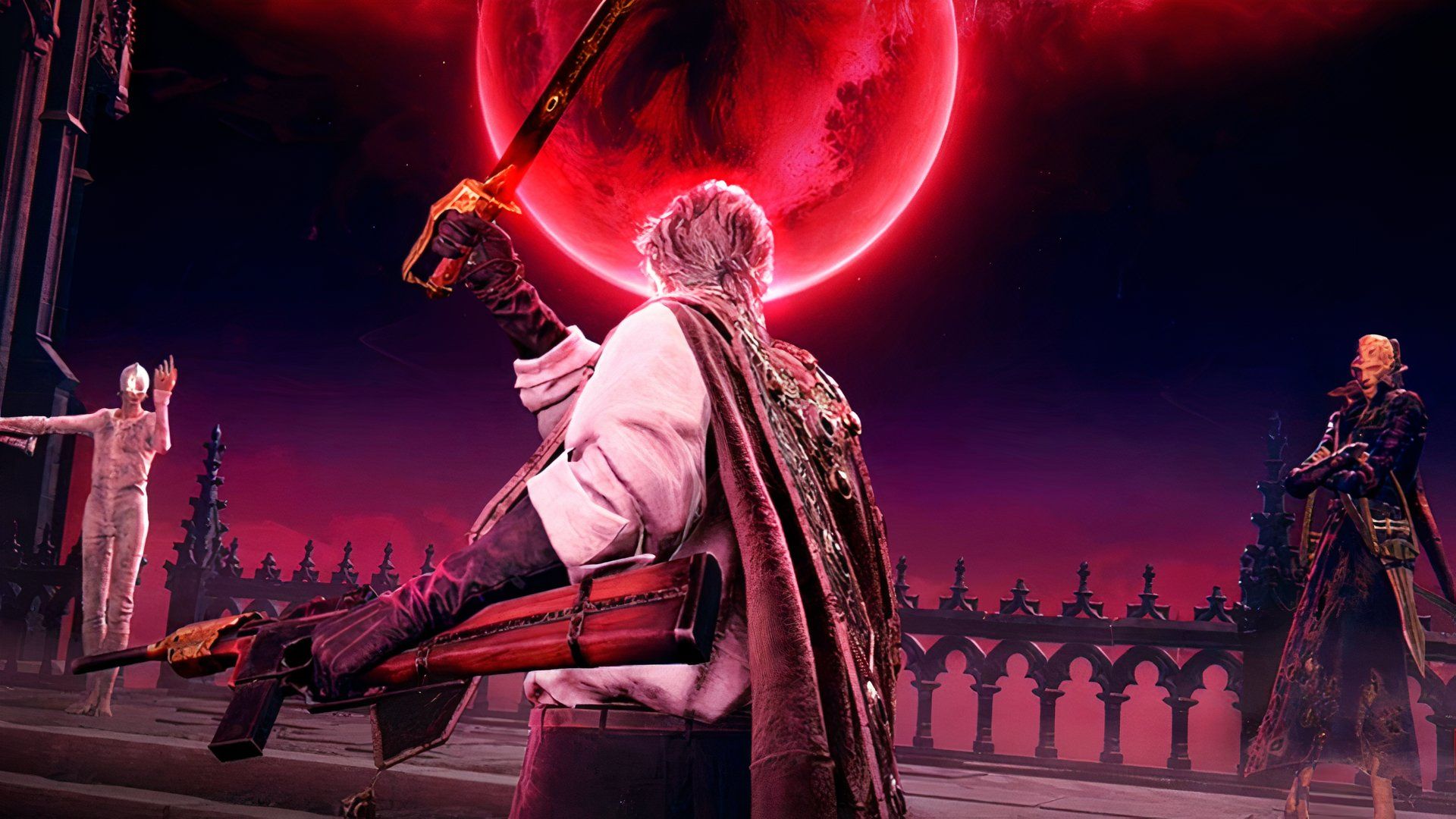
From a gameplay perspective, Way of the Sword faces the exciting challenge of modernizing the Onimusha formula for contemporary audiences while preserving the elements that made the original games so beloved. The earlier titles were known for their pre-rendered backgrounds, fixed camera angles, and deliberate combat pacing that emphasized timing and resource management over button-mashing. Modern action games have evolved significantly, with titles like “Sekiro: Shadows Die Twice” and “Ghost of Tsushima” raising expectations for what samurai-themed games can achieve. Early footage suggests that Capcom is embracing fully three-dimensional environments, dynamic camera systems, and fluid combat animations that take full advantage of current-generation hardware capabilities.
The anticipation surrounding Onimusha: Way of the Sword reflects a broader trend in gaming where beloved franchises are being revived for new generations of players. Capcom itself has experienced tremendous success with this approach, having reinvigorated the Resident Evil series through acclaimed remakes and the Monster Hunter franchise through continued innovation. The company’s track record suggests that Way of the Sword will receive the same level of care and attention to detail that has characterized their recent releases. For fans who have waited since 2006’s “Onimusha: Dawn of Dreams” for a new entry, the return of this franchise represents more than just another game—it symbolizes the preservation of gaming history and the continued relevance of stories rooted in Japanese cultural heritage.
Expert Opinion: The revival of Onimusha at this particular moment represents Capcom’s strategic recognition that audiences are hungry for historically-grounded action experiences with supernatural elements. Given the studio’s recent mastery in revitalizing dormant franchises and the current market success of samurai-themed games, Way of the Sword is positioned to potentially become one of the defining action titles of its release window, provided Capcom successfully balances nostalgia with modern gameplay innovations.