

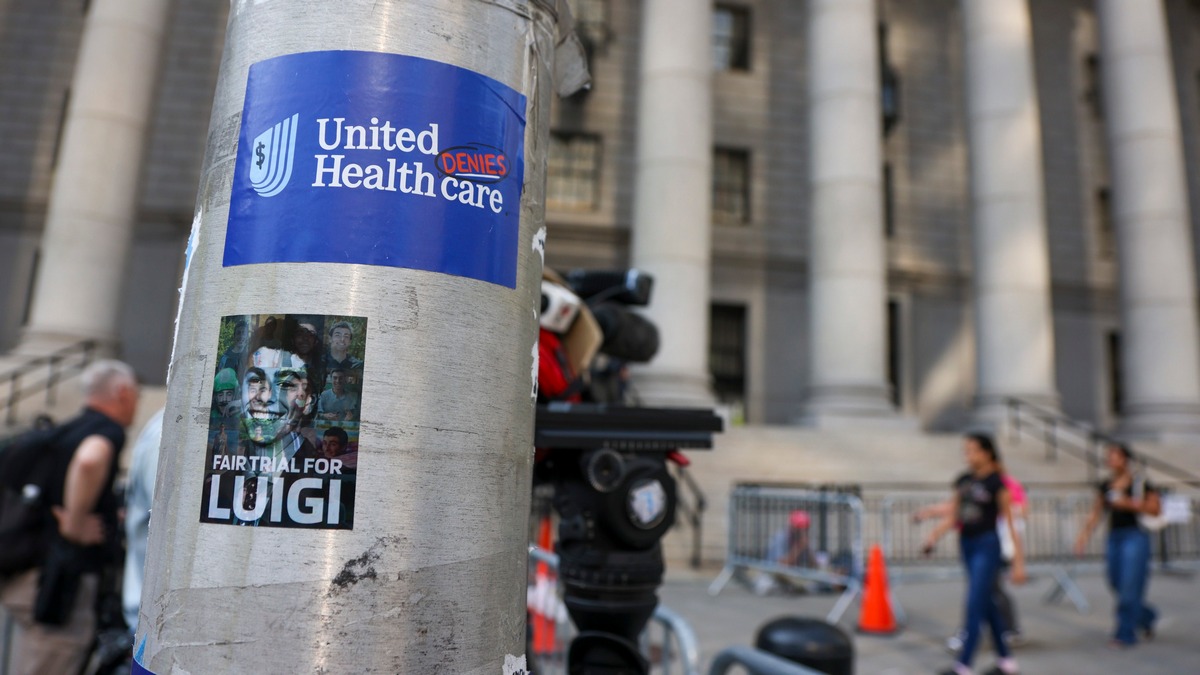
The high-profile murder case that shocked corporate America is nearing its conclusion as Luigi Mangione, the man accused of fatally shooting UnitedHealthcare CEO Brian Thompson on a Manhattan street last December, has pleaded guilty to the charges against him. The case, which captured national attention and sparked intense debates about healthcare industry practices in the United States, now moves toward sentencing where Mangione faces the prospect of spending the rest of his life behind bars.
The guilty plea marks a dramatic turn in a case that has divided public opinion across the country. Thompson, 50, was gunned down on December 4, 2024, outside the New York Hilton Midtown hotel in Midtown Manhattan, where he was scheduled to attend an investor conference. The brazen daylight attack sent shockwaves through the corporate world and raised serious questions about executive security protocols at major American companies.
The Crime That Captivated America
Brian Thompson had served as CEO of UnitedHealthcare, the insurance arm of UnitedHealth Group, since 2021. The company is one of the largest health insurers in the United States, covering millions of Americans through employer-sponsored plans, Medicare Advantage, and Medicaid programs. On the morning of the shooting, Thompson was walking alone toward the hotel entrance when a masked gunman approached and fired multiple shots at close range before fleeing the scene on an electric bicycle. The attacker then left Manhattan and traveled to a bus station, beginning a days-long manhunt that would captivate the nation.
Law enforcement officials quickly identified Mangione as the primary suspect through a combination of surveillance footage analysis, forensic evidence, and tips from the public. The 26-year-old Ivy League graduate was apprehended on December 9 at a McDonald’s restaurant in Altoona, Pennsylvania, approximately 300 miles from New York City. At the time of his arrest, police found him in possession of a firearm, a silencer, fake identification documents, and a handwritten manifesto criticizing the American healthcare industry and insurance companies specifically.
A Suspect With a Troubled History
Luigi Mangione’s background presented a stark contrast to the violent crime he committed. Born into a prominent and wealthy Maryland family with real estate holdings and philanthropic connections, Mangione graduated as valedictorian from the prestigious Gilman School in Baltimore before attending the University of Pennsylvania, where he earned degrees in computer science and engineering. By all accounts, he was a brilliant student with a promising future ahead of him. However, those who knew him reported that he had become increasingly isolated in the years leading up to the shooting, struggling with chronic back pain that required surgery and growing increasingly frustrated with the healthcare system.
The manifesto found in Mangione’s possession revealed deep-seated anger toward health insurance companies, which he accused of prioritizing profits over patient care. Investigators believe this ideological motivation drove him to target Thompson specifically as a symbol of what he perceived as corporate greed in the healthcare industry. The document referenced denial of insurance claims, bureaucratic obstacles to treatment, and what Mangione viewed as systemic exploitation of vulnerable patients. These writings would later become central to understanding his state of mind and motivations.
Public Reaction and Cultural Impact
Perhaps the most unusual aspect of the case has been the public response. While the murder of any individual is tragic, many Americans expressed complicated feelings about the killing, with some openly sympathizing with Mangione’s stated frustrations about the healthcare system. Social media platforms saw an outpouring of comments criticizing insurance company practices, with some users going so far as to treat Mangione as a folk hero figure. This reaction highlighted the deep frustrations many Americans feel toward a healthcare system that often leaves them struggling with denied claims, surprise medical bills, and inadequate coverage despite paying substantial premiums.
Legal experts note that regardless of public sentiment, the justice system must treat the case according to established law. With his guilty plea now entered, Mangione faces the mandatory sentence prescribed by New York law for first-degree murder. The case has nonetheless prompted renewed discussions about healthcare reform, insurance industry accountability, and the desperation that drives some individuals to extreme actions. UnitedHealth Group has declined to comment extensively on the proceedings, expressing only condolences for Thompson’s family and confidence in the judicial process.
Expert Opinion: This case represents a watershed moment for corporate security and healthcare policy discourse in America. Legal analysts anticipate that Mangione will receive the maximum sentence given the premeditated nature of the crime, but the unprecedented public sympathy for his stated motivations suggests that healthcare industry leaders and policymakers cannot ignore the systemic frustrations that have reached a boiling point among ordinary Americans. The long-term implications may extend far beyond this single case, potentially catalyzing renewed legislative efforts to reform insurance practices.